


AOD and Peptides for Skin Research
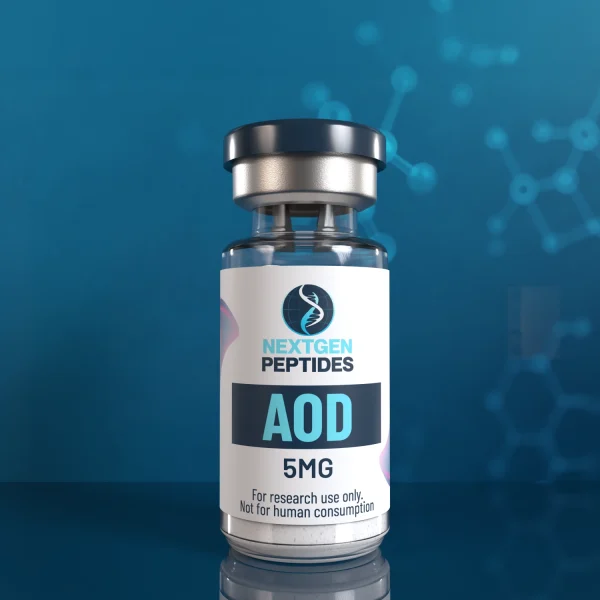
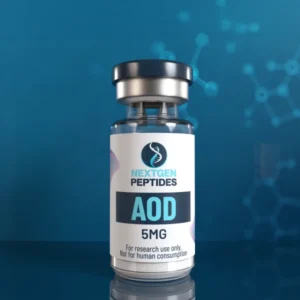
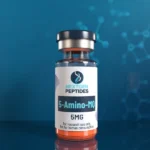
AOD is a research peptide that has gained scientific interest due to its connection with metabolic signaling, cellular communication systems, and biological research models. Within the broader field of peptides for skin research, AOD is studied as researchers continue exploring how peptide-based compounds interact with cellular pathways involved in tissue biology and molecular processes.
Peptides are short chains of amino acids that function as important signaling molecules in biological systems. Researchers investigate different peptide structures to understand their potential roles in cellular communication, protein interactions, and biological mechanisms.
AOD continues to be explored in controlled laboratory environments as part of ongoing research involving peptide signaling, metabolic pathways, and cellular biology. Scientists study how peptide compounds interact with biological systems to better understand molecular processes and their relationship with different research models.
This product is intended strictly for laboratory and scientific research purposes only. It is not approved for human consumption, medical treatment, or therapeutic application.
What Is AOD?
AOD refers to a peptide-derived research compound studied in molecular biology and metabolic research environments. It is associated with investigations into biological signaling pathways and cellular communication systems.
In laboratory research, AOD is commonly studied for its relationship with:
- Peptide signaling pathways
- Cellular communication systems
- Molecular biology research
- Metabolic pathway investigations
- Protein interaction studies
- Biological mechanism research
Researchers explore AOD because peptide compounds provide valuable models for understanding how amino acid sequences influence biological processes.
As part of peptides for skin research, scientists examine how peptide-based molecules may interact with cellular environments associated with tissue biology and regeneration research models.
Research Areas of Interest
AOD is investigated across multiple scientific research areas, including:
Cellular Communication Research
Researchers study how peptide compounds communicate with cellular systems and influence biological signaling networks.
Molecular Biology Studies
AOD is explored in molecular research models focused on understanding peptide interactions and biological mechanisms.
Tissue Biology Research
Scientists investigate peptide activity in relation to cellular environments involved in tissue structure and biological processes.
Skin Research Models
Within the category of peptides for skin research, peptide compounds are studied for their relationship with:
- Cellular signaling
- Skin biology pathways
- Structural protein research
- Molecular interactions
- Tissue-related research models
Metabolic Research
AOD is also studied in connection with metabolic signaling pathways and molecular mechanisms.
Scientific and Research Applications of AOD
Researchers investigate AOD through controlled laboratory studies to understand its biological properties and potential research relevance.
Common research applications include:
- Peptide signaling pathway studies
- Cellular response investigations
- Molecular interaction research
- Biological communication models
- Protein expression studies
- Tissue biology research
- Metabolic pathway analysis
- Cellular mechanism investigations
The study of AOD contributes to a broader understanding of how peptide structures interact with biological systems.
Why AOD Is Studied
AOD attracts scientific interest because peptides represent important biological communication molecules.
Researchers study AOD to explore:
- How peptide structures interact with cells
- How molecular signals influence biological pathways
- How amino acid sequences affect cellular communication
- How peptide compounds behave in laboratory models
The growing interest in peptides for skin research has increased scientific exploration into different peptide compounds and their relationship with cellular biology.
Mechanism of Action (Research Context)
In laboratory research, AOD is investigated through studies examining peptide interactions, signaling pathways, and molecular mechanisms.
Research focuses may include:
- Cellular signaling activity
- Molecular pathway interactions
- Biological communication systems
- Peptide-receptor research
- Protein expression studies
Scientists continue exploring how peptide compounds participate in complex biological systems.
These mechanisms are studied strictly in controlled scientific environments and are not confirmed for clinical use.
Why AOD Is Popular in Research
AOD continues to attract attention because peptide research provides valuable insights into biological systems.
Researchers are interested in AOD due to:
- Its peptide structure
- Its relevance in molecular research
- Its connection to cellular signaling studies
- Its potential value in laboratory investigations
The expanding field of peptides for skin research has encouraged further exploration of peptide-based compounds within scientific communities.
AOD Compared With Similar Research Peptides
AOD Research Focus
- Peptide signaling research
- Molecular biology studies
- Cellular communication models
- Metabolic pathway investigations
Other Skin Research Peptides
Other peptide compounds may be studied in relation to:
- Collagen-related research
- Cellular repair models
- Skin biology pathways
- Extracellular matrix studies
Each peptide has unique structural characteristics and is researched independently based on its molecular properties.
Scientific Research Context
AOD belongs to a broader category of peptide compounds studied within:
- Molecular biology
- Cellular science
- Tissue research
- Metabolic studies
- Biological signaling research
Scientific interest in peptides for skin continues to grow as researchers investigate how peptide molecules interact with biological systems.
Ongoing research focuses on understanding peptide behavior, cellular communication, and molecular pathways within controlled laboratory environments.
Laboratory Handling and Storage
Proper handling and storage are important for maintaining peptide integrity in research settings.
Recommended laboratory practices include:
- Store in a controlled environment
- Avoid excessive heat exposure
- Protect from direct light
- Maintain sterile handling procedures
- Prevent contamination
- Follow standard laboratory storage protocols
Proper handling supports sample stability and research reliability.
Research Quality Standards
Reliable peptide research requires strong quality control procedures.
Important quality considerations include:
- Purity verification
- Analytical testing
- Batch consistency
- Controlled manufacturing processes
- Certificate of Analysis documentation
- Secure distribution practices
Quality standards help researchers maintain consistency within scientific investigations.
Regulatory Notice
AOD is intended strictly for laboratory and scientific research purposes only.
It is not approved by the FDA for human consumption, medical treatment, or therapeutic use.
All information provided is for educational and research reference within controlled laboratory environments only.
Reviews
There are no reviews yet.