


BPC & TB Blend: Research Overview and Laboratory Information
Introduction
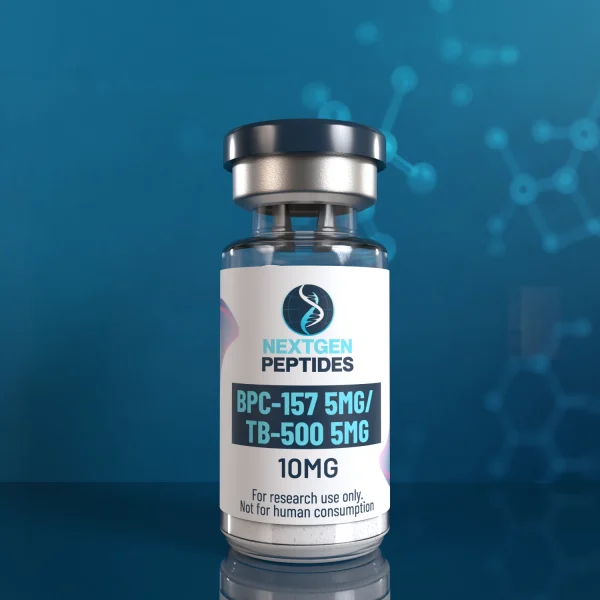
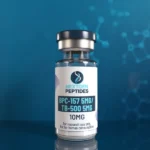
Researchers continue to investigate peptide combinations that may offer insights into tissue biology, cellular communication systems, and regenerative signaling pathways. The BPC & TB Blend combines two well-known research peptides, BPC-157 and TB-500, which are frequently studied in laboratory environments for their potential roles in tissue response mechanisms, cellular migration pathways, and biological signaling networks.
Scientific studies continue to explore how peptide combinations may influence interconnected biological pathways within controlled experimental models.
The BPC & TB Blend is studied in laboratory research settings where researchers seek to better understand cellular repair mechanisms, tissue communication networks, and molecular biology pathways.
BPC & TB Blend is intended strictly for laboratory and scientific research purposes only. It is not approved for human consumption, medical treatment, or therapeutic use. All information provided is for educational and research reference purposes only.
What Is BPC & TB Blend?
The BPC & TB Blend combines:
BPC-157
BPC-157 is a synthetic peptide derived from a naturally occurring protein sequence that has attracted scientific interest in cellular signaling and tissue biology research.
TB-500
TB-500 is a synthetic version of a naturally occurring peptide fragment associated with cellular migration and structural tissue research.
Researchers investigate these compounds individually and in combination to study how multiple peptide signaling pathways may interact within complex biological systems.
Research Areas of Interest
The BPC & TB Blend is commonly explored in:
- Cellular communication research
- Tissue biology studies
- Regenerative signaling pathways
- Connective tissue research
- Angiogenesis-related investigations
- Molecular biology research
- Structural tissue models
- Cellular migration studies
- Extracellular matrix research
- Biological signaling pathway investigations
Scientific and Research Applications
Researchers explore the BPC & TB Blend in controlled laboratory environments to better understand:
- Cellular repair mechanisms
- Tissue remodeling pathways
- Cell signaling systems
- Molecular communication networks
- Extracellular matrix interactions
- Structural protein research
- Cellular migration models
- Biological adaptation pathways
- Regenerative biology investigations
- Tissue response mechanisms
Why BPC & TB Blend Is Studied
Scientific interest in the BPC & TB Blend originates from the complementary characteristics of its two peptide components.
Researchers continue to investigate:
- Interconnected signaling pathways
- Cellular communication systems
- Tissue adaptation responses
- Structural biology mechanisms
- Molecular biology interactions
- Cellular organization pathways
Mechanism of Action (Research Context)
In scientific research environments, BPC-157 and TB-500 are studied for their interactions with biological signaling pathways associated with:
- Cellular migration
- Growth factor signaling
- Structural tissue communication
- Molecular signaling networks
- Cellular organization systems
- Extracellular matrix pathways
Research continues to explore how peptide-mediated communication systems influence biological responses at the molecular level.
These mechanisms are studied strictly in controlled scientific environments and are not confirmed for clinical use.
Why This Peptide Blend Is Popular in Research
Areas of ongoing scientific interest include:
- Cellular signaling research
- Regenerative biology studies
- Tissue organization models
- Structural biology investigations
- Molecular communication systems
- Experimental peptide science
BPC-157
- Frequently studied in tissue biology research
- Investigated for signaling pathway interactions
- Commonly explored in regenerative biology models
TB-500
- Frequently studied in cellular migration research
- Investigated for structural tissue pathways
- Commonly explored in biological organization studies
Combined Blend
- Allows investigation of complementary pathways
- Supports multi-system biological models
- Popular in peptide combination research
Scientific Research Context
The BPC & TB Blend belongs to a growing category of research peptides studied within:
- Molecular biology
- Cellular biology
- Regenerative science
- Tissue research
- Structural biology
- Experimental peptide science
Researchers continue exploring how peptide signaling systems influence biological communication networks and cellular organization mechanisms.
Laboratory Handling and Storage
Recommended laboratory guidelines include:
- Store in a cool, dry location
- Protect from direct sunlight
- Maintain sterile handling conditions
- Use research-grade laboratory equipment
- Follow standard peptide storage protocols
Proper storage helps preserve sample integrity for research applications.
Research Quality Standards
Quality standards may include:
- Purity verification
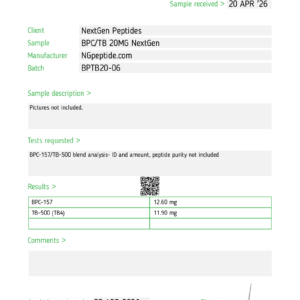
- Third-party analytical testing
- Certificate of Analysis documentation
- Batch consistency monitoring
- Controlled manufacturing standards
- Secure packaging procedures
Reliable quality control contributes to reproducible research outcomes.
Regulatory Notice
BPC & TB Blend is intended strictly for laboratory and scientific research purposes only. It is not approved for human consumption, medical treatment, or therapeutic use. All information provided is for educational and research reference purposes only.
FAQ
What is BPC & TB Blend?
A research peptide combination containing BPC-157 and TB-500 studied in laboratory environments.
Why is BPC-157 for sale frequently searched?
What is BPC-157 studied for?
BPC-157 is investigated in laboratory studies involving biological signaling pathways and tissue biology.
What is TB-500 studied for?
TB-500 is investigated in cellular migration and structural biology research.
Is BPC & TB Blend intended for human use?
No. It is intended strictly for laboratory research.
Is quality testing important?
Yes. Quality verification supports consistency and research reliability.
What research areas involve BPC & TB Blend?
Cellular biology, regenerative science, tissue research, and molecular signaling studies.
What are peptide blends?
Peptide blends combine multiple peptides for investigation within controlled research models.
Why do researchers study peptide combinations?
To examine interactions between multiple biological pathways.
What quality standards should researchers look for?
Purity verification, analytical testing, and batch consistency.
What are biological signaling pathways?
Complex communication systems used by cells and tissues.
Is BPC-157 for sale available for laboratory research?
Research suppliers may provide research-grade peptide materials intended for scientific use.
Why is peptide research growing?
Scientists continue exploring peptide-mediated communication systems and biological signaling mechanisms.
Summary
The BPC & TB Blend combines two widely studied research peptides investigated within molecular biology, tissue science, and cellular communication research. Ongoing studies continue to explore how these peptides interact with biological signaling pathways, structural tissue mechanisms, and cellular organization systems. Interest in BPC-157 for sale remains closely linked to expanding research efforts focused on peptide science and regenerative biology.
Call To Action
Explore premium-quality BPC & TB Blend research peptides from your trusted peptide supplier. Manufactured to strict quality standards, supported by analytical verification, and available with secure ordering and worldwide shipping.




Reviews
There are no reviews yet.