

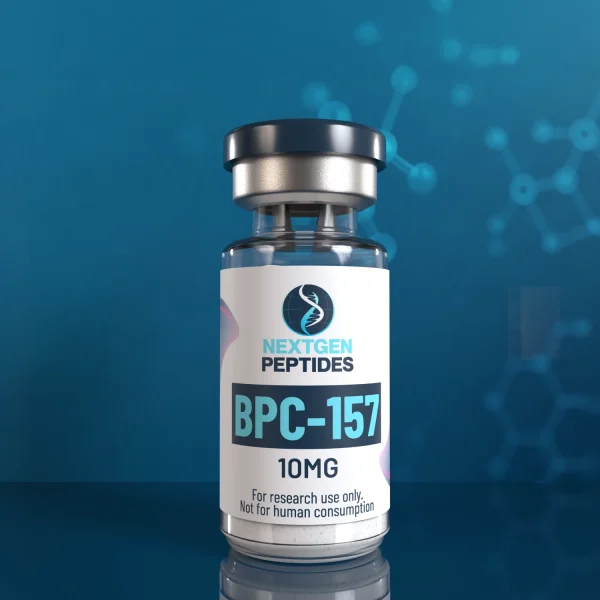
BPC-157 Research Peptide
Introduction
BPC-157 Research Peptide for Laboratory Research
BPC-157 is one of the most widely discussed synthetic research peptides in modern laboratory science. Interest in BPC-157 has grown because researchers continue to investigate its biochemical properties, molecular stability, and interactions in controlled experimental models. As a result, it has become a frequently requested compound for laboratories, universities, and research organizations focused on peptide science.
At PEPPHARMACY, we supply research-grade BPC-157 manufactured under strict quality standards. Every batch undergoes analytical testing to verify identity and purity, and Certificates of Analysis (COAs) are available to support laboratory documentation. Our quality-focused approach helps researchers obtain materials that meet consistent manufacturing and testing standards.
Research peptides are valuable tools for investigating peptide chemistry, receptor interactions, molecular signaling, and other laboratory applications. However, these compounds are intended solely for scientific investigation and should be handled by qualified professionals in appropriate research environments.
Our commitment extends beyond product quality. We emphasize transparent documentation, secure packaging, reliable customer support, and rigorous quality control. By offering independently tested research materials, PEPPHARMACY helps laboratories source compounds with confidence while maintaining high standards for scientific integrity.
Throughout this guide, you’ll learn about BPC-157, its scientific background, laboratory characteristics, quality standards, handling recommendations, and frequently asked questions. This information is intended for educational purposes only and does not constitute medical advice or recommendations for human use.
What Is BPC-157?
Overview
BPC-157, short for Body Protection Compound-157, is a synthetic peptide derived from a sequence associated with a naturally occurring gastric protein. It has attracted significant scientific interest because researchers continue to study its biochemical properties in controlled laboratory settings.
Unlike many larger peptide molecules, BPC-157 consists of a relatively short amino acid sequence, making it a useful model compound for peptide synthesis, purification, analytical testing, and experimental research.
Today, research institutions continue to investigate BPC-157 across numerous areas of peptide science. While published studies explore a range of biological questions, any findings remain within the context of laboratory research and should not be interpreted as evidence of approved clinical use.
Classification
BPC-157 is commonly classified as:
- Synthetic research peptide
- Laboratory research compound
- Research-grade peptide
- Lyophilized peptide material
- Experimental laboratory reagent
It is supplied exclusively for scientific and laboratory research.
Scientific Background
Peptides are short chains of amino acids that serve as valuable research tools for studying molecular interactions, signaling pathways, and biochemical processes. Because of their defined structures, peptides enable scientists to investigate protein behavior and develop experimental models for basic and translational research.
Within this broader field, BPC-157 has become a subject of laboratory investigation due to its stability, ease of synthesis, and suitability for analytical testing. Researchers use modern techniques such as high-performance liquid chromatography (HPLC) and mass spectrometry to confirm identity, assess purity, and ensure batch consistency before experimental use.
As with all research compounds, reproducibility and quality assurance are essential. Reliable analytical testing helps laboratories obtain consistent materials for experimental protocols while supporting confidence in research outcomes.
Key Features
- Premium research-grade BPC-157
- High-purity manufacturing standards
- Third-party analytical testing
- Certificate of Analysis (COA) available
- HPLC quality verification
- Secure laboratory packaging
- Batch-specific quality control
- Manufactured for research applications
- Consistent batch production
- Professional laboratory support
Why Researchers Choose BPC-157
Several characteristics contribute to the continued scientific interest in BPC-157:
Consistent Manufacturing
High-quality peptide production supports reproducible laboratory experiments and minimizes variability between batches.
Analytical Verification
Independent testing confirms identity and purity using established laboratory methods.
Research Versatility
BPC-157 continues to be examined in diverse areas of peptide science, making it a commonly requested compound for laboratory investigation.
Stable Lyophilized Format
Lyophilization supports long-term storage under recommended laboratory conditions and facilitates handling in research environments.
Growing Scientific Literature
A substantial body of published laboratory research has contributed to ongoing scientific interest in this peptide, while emphasizing the need for continued investigation.
Product Highlights
- Research Grade Quality
- Third-Party Tested
- COA Verified
- HPLC Tested
- Laboratory Research Only
- Secure Packaging
- Fast Shipping
- Batch Consistency
- Professional Quality Control
- Trusted Research Supplier
Product Specifications
| Specification | Details |
|---|---|
| Product Name | BPC-157 |
| Product Type | Synthetic Research Peptide |
| Form | Lyophilized Powder |
| Grade | Research Grade |
| Testing | HPLC Verified |
| Quality | Third-Party Tested |
| Documentation | Certificate of Analysis Available |
| Intended Use | Laboratory Research Only |
Research Quality Standards
At PEPPHARMACY, quality assurance plays a central role in product sourcing and distribution.
In addition, Certificates of Analysis provide researchers with batch-specific information that supports quality documentation and traceability. These practices contribute to greater confidence in the materials used for scientific investigation.
Reviews
There are no reviews yet.